 SWME TRADE
Commercial Landscaping
Commercial landscaping is the volume end of the stone trade: office parks, public spaces, housing developments…
SWME TRADE · Blog
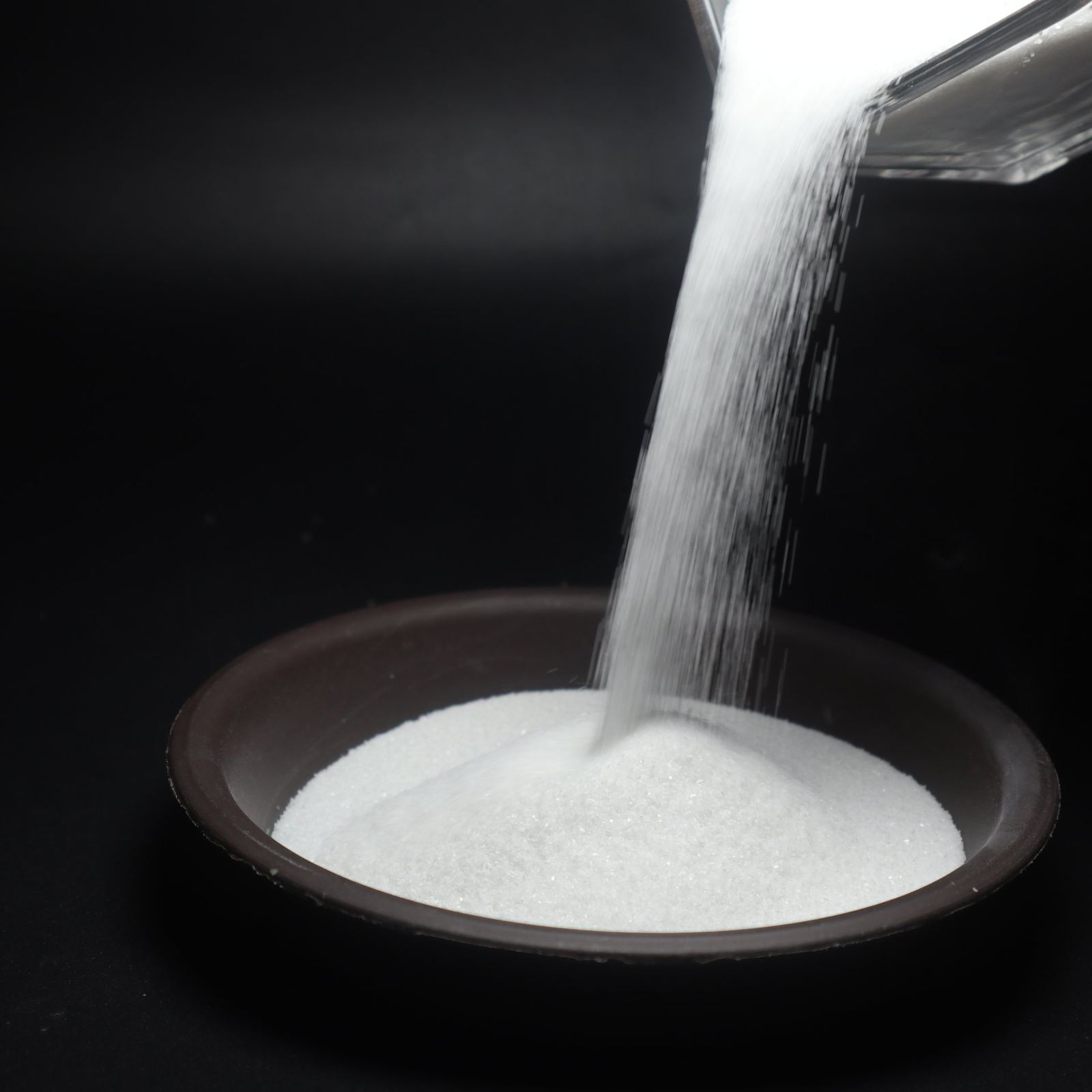
Playground surfacing calls for a washed, natural sand with rounded grains graded roughly 0.25–1.5 mm, laid 200–300 mm deep in fall zones, while silica sand for artificial grass infill is a separate rounded 0.5–1.0 mm grade applied at about 5–10 kg/m². This guide covers the safety criteria, tonnage maths and the specification lines to put on a bulk order for both grades.
Published · By Gardenstone Editorial Team · Educational article from the SWME TRADE team
For playground surfacing, use a washed natural sand with rounded to sub-rounded grains, graded roughly 0.25–1.5 mm, with minimal silt, clay or dust, laid 200–300 mm deep in the fall zones so it cushions impacts and drains after rain. For artificial grass, the correct product is a different grade: rounded washed silica sand for artificial grass infill, typically 0.5–1.0 mm, applied at about 5–10 kg per square metre depending on pile height. One bulk order can carry both grades packed separately.
Buyers — playground operators, landscaping contractors and turf installers — often treat these as one product, but they behave differently underfoot and in a spreader. The sections below explain what makes play sand safe, how far a tonne actually goes, why rounded silica works as infill, how the dust question should be handled honestly, and the exact lines to write on a bulk purchase order.
Grain shape comes first. Naturally weathered river or coastal sand is rounded by decades of tumbling, so its grains slide past each other instead of cutting — the right behaviour for bare hands and knees. Crushed quartz or stone dust is angular and sharp, compacts into a hard pan in dry weather and turns to a sealed, muddy sheet when wet, which is why crushed fines keep failing as a play surface no matter how clean they are.
Cleanliness and drainage come second. A washed sand carries almost no silt and clay, so rain drains through it instead of ponding, the surface stays playable within hours of a downpour, and it can be raked level again with a toothed landscape rake rather than re-laid. Loose-fill sand does not carry a certified critical fall height the way engineered surfaces do; the operative safety controls are the 200–300 mm depth, regular raking to keep the surface loose, and scheduled top-ups as the sand compacts and migrates.
The arithmetic is fixed by bulk density: loose washed sand runs about 1.5–1.6 tonnes per cubic metre, so one tonne is roughly 0.6–0.65 cubic metres. At a 200 mm finished depth that covers about 3–3.5 square metres; at 300 mm, closer to 2–2.2 square metres. A 60 m² fall zone surfaced at 250 mm therefore needs roughly 23–25 tonnes — almost exactly one 20-foot container load, which carries around 24–27 tonnes of bagged sand.
Packaging decides how the tonnage lands on site. One-tonne jumbo bags suit playground operators with forklift access and keep the sand clean until spreading; 20–25 kg retail-grade bags suit school and community projects that move material by hand. Most importers plan an annual top-up of roughly 10–20% of the original volume, and because both the play grade and the turf infill grade ship in the same container types, a mixed load is a common way to fill the last few tonnes of a shipment.
Yes — rounded washed silica sand is the standard infill for landscape artificial grass. Brushed into the thatch layer after installation at roughly 5–10 kg/m² (the lower end for short landscape turf, the higher end for 40–50 mm sports and playground turf), it ballasts the carpet against wind and movement, keeps the blades upright, and adds the cushioning that makes the surface feel like soil rather than plastic.
Silica earns the job through hardness and shape. At about 7 on the Mohs scale it does not crush into fines under foot traffic the way softer carbonate sands do, and the rounded grains shear past each other so the infill stays loose and drainable instead of locking into a crust. Washed and dried, it also flows cleanly through a top-dressing spreader. Coloured coated grades exist for projects that want the infill to disappear visually into green turf; raw natural grades do the same structural job at a lower cost.
The health concern attached to crystalline silica is respirable dust from angular, crushed and dry material — cutting, grinding or handling crushed stone fines. A washed, naturally rounded play sand is a different material: washing strips out the fines that would become airborne, the grains themselves are too large and too smooth to become respirable, and keeping the surface slightly damp removes what little dust exposure remains. The practical rule is simply not to use crushed stone dust as a play surface, and to ask suppliers for a washed product with fines content below about 1%.
Infill sand sits even further from the issue: once brushed in, the grains are encapsulated in the turf thatch and are not re-entrained into the air by normal use. The only dusty moment in its life is pouring from bulk bags into a spreader on a windy day, and a simple dust mask covers that. What a buyer should request instead of reassurance is documentation: a sieve analysis and fines figure for the actual production lot, which any processing supplier can issue per shipment.
Two short spec blocks cover it. Playground surfacing sand: natural washed sand, rounded to sub-rounded grains, grain size 0.25–1.5 mm, silt and clay content below about 1%, free of contaminants, packed in 1-tonne jumbo bags or 20–25 kg bags as the site requires. Silica infill sand: rounded washed silica, grain size 0.5–1.0 mm, washed and dried for free flow through spreaders, high silica content (high-purity grades run above 90%), packed in 20–25 kg bags or jumbo bags kept separate from the play grade.
Then close the loop with batch controls. Ask for a sieve analysis per production lot, sealed wet-and-dry samples of both grades before the container closes, and photographs of the packed bags with their grade labels visible. Because the two grades look alike to the eye, the labels and the sieve curves are what keep them from being swapped on site — a mixing error that no amount of raking will fix afterwards. A supplier who grades and washes sand in-house rather than reselling will quote against this language without difficulty.
A washed, natural sand with rounded to sub-rounded grains graded roughly 0.25–1.5 mm and very low silt, clay and dust content. Crushed, angular stone dust is not suitable because it compacts hard, drains poorly and its sharp grains are uncomfortable and abrasive under children's skin.
Fall zones under and around equipment should carry a 200–300 mm layer of loose play sand, kept loose by regular raking and restored with top-ups as it compacts. At 200 mm depth one tonne covers roughly 3–3.5 square metres, so a 60 m² zone at 250 mm needs about 23–25 tonnes.
Typically 5–10 kg per square metre, with short landscape turf at the lower end and 40–50 mm playground or sports turf at the higher end. The sand should be a rounded, washed and dried 0.5–1.0 mm silica grade brushed into the thatch after installation.
Yes. A 20-foot container holds roughly 24–27 tonnes, and the two grades can ship in one container packed in separately labelled jumbo bags or bag counts, with the grade split named on the packing list. Sealed samples and per-lot sieve analyses keep the two similar-looking grades distinguishable on arrival.
“Trade Map provides comprehensive global trade data for over 230 economies, with monthly, quarterly and yearly updates using official reported data and mirror data techniques.”
ITC Trade Map, trademap.org — official page
Commercial landscaping is the volume end of the stone trade: office parks, public spaces, housing developments…
Garden landscaping brings together every stone category: ground cover for beds and borders, gravel for paths, …
Everflorae — Artificial Plants & Trees
From the same supplier group, Everflorae supplies UV-stable artificial trees, palms and green walls that pair with stone — one source for hotels, resorts, malls and Japanese gardens.
Send your product, specification and destination — our sales team will prepare a quotation.