 SWME TRADE
Garden Landscaping
Garden landscaping brings together every stone category: ground cover for beds and borders, gravel for paths, …
SWME TRADE · Blog
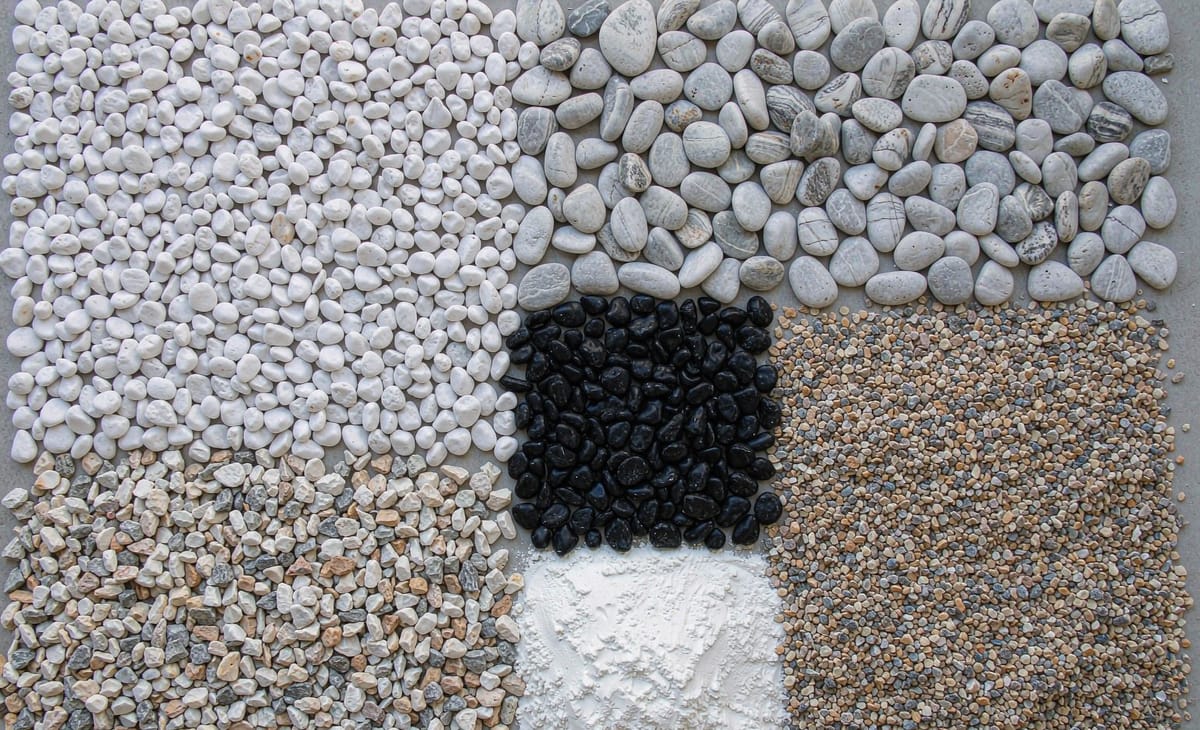
You choose garden pebbles by fixing the colour family and rock type first, then the size band (10–20 mm for paths, 20–40 mm for beds, 40–75 mm for edges), then the finish. A 20 ft container holds about 24–27 tonnes, covering roughly 1,400–2,000 m² at a 40 mm depth, so order by tonnage rather than by bag.
Published · By Gardenstone Editorial Team · Educational article from the SWME TRADE team
You choose garden pebbles by fixing the colour family and rock type first, then the size band (10–20 mm for paths, 20–40 mm for beds, 40–75 mm for drainage edges), then the finish. A 20 ft container holds about 24–27 tonnes, covering roughly 1,400–2,000 m² at a 40 mm depth, so order by tonnage rather than by bag.
The rest of this guide works the decision in the order it actually matters: confirming the rock will not stain or leach, matching the size to where the stone sits, picking a finish that survives the weather, working out how much you need and how it ships, and keeping the bed clean after it is laid. Choosing well up front is cheaper than re-ordering a slightly wrong colour six months later.
Start with rock type because it decides whether the pebble is safe in your climate and near your plants. Inert granite, quartz and basalt keep their colour, do not raise pH, and will not stain concrete or adjacent stone — they are the default for commercial and residential beds alike. Calcareous stone (limestone, marble, dolomite) is softer, scuffs and dissolves slowly in acid rain or around acid-loving plants, and should be avoided where run-off or planting matters.
Colour is the second half. A single colour family reads as calm and designed; a controlled mix reads as natural and hides dust better between cleans. Whatever you pick, approve a sealed wet reference sample per production lot, because the same pebble looks 10–15% darker when wet. Specifying the rock family and the wet sample in writing is what lets a supplier re-batch the same colour when you top up a year later.
Size drives both look and function. A 6–10 mm grade suits tight joints and fine raking but is easily kicked about, so reserve it for contained or resin-bound areas. The 10–20 mm band is the workhorse for garden paths and exposed beds: comfortable underfoot, stable in a membrane, and easy to walk on. The 20–40 mm band is the body grade for open beds and borders, while 40–75 mm is best as anchor stone at edges, in dry river beds and around drains where you want mass, not fines.
Coverage follows bulk density and depth. Loose garden pebbles run about 1.5–1.7 tonnes per cubic metre. At a 40 mm depth one tonne covers roughly 12–18 m² (less for finer grades that nest tighter, more for coarser), so a 20 ft container of 24–27 tonnes covers about 1,400–2,000 m². Always add 10% for compaction, spillage and the later top-up every bed eventually wants.
Finish changes how the stone behaves in use. Tumbled (natural, matte) pebbles are the safest all-rounder: they grip when wet, do not glare in sun, and age without peeling because there is no coating to fail. Polished pebbles are mirror-smooth and striking in close-up display, water-feature basins and lobby bowls, but they are slippery when wet and the wax or resin coating dulls outdoors in 1–2 seasons, so keep them out of walkways and pools.
For a commercial or high-traffic garden, specify tumbled or lightly washed stone unless the design explicitly calls for polish. A natural matte surface also hides the dust and leaf litter that a polished black or white stone shows immediately, which means fewer cleans and a bed that keeps looking deliberate between maintenance visits.
Order by tonnage, not by bag count. At a 40 mm depth plan 12–18 m² per tonne and about 24–27 tonnes per 20 ft container; the container hits its weight limit before its volume, which is why most importers split one shipment across two or three size bands. If you resell, 25 kg bags (printable with your brand from about 500–1,000 bags) keep retail tidy; FIBC jumbo bags suit sites; loose or lined-container shipping is cheapest per tonne for bulk landscape work.
Ask for washed stone and a sieve analysis so you know the actual grade distribution, not just a nominal band. Moisture matters: loose tonnes include water weight, so confirm whether quotes are wet or dry metric tonnes and weigh-check on arrival. A clear spec here prevents the most common dispute — receiving a finer, heavier, muddier load than the sample you approved.
You clean garden pebbles with water first: a garden hose rinses loose dust and pollen, and a pressure washer on a wide, low setting lifts algae and grime from a path or bed without flinging stone. For calcareous staining or hard-water marks, a diluted white-vinegar wipe (then a thorough rinse) dissolves the deposit; never use strong acid on inert granite or it etches the surface. Avoid household detergents — they leave a film that attracts more dirt.
Set a light schedule rather than a deep one: a hose-down each season and a pressure wash once a year keeps most beds presentable, with extra rinses after pollen peaks or construction dust. If a bed has thinned or the colour has dulled, top up with the same lot rather than replacing it, and re-rake so the fresh stone blends with the old instead of sitting in patches.
Vet the supplier before the price. A credible garden pebbles supplier runs a processing line that can hold your colour and size across lots and issue a sieve analysis and a wet reference sample — not a trader re-bagging yard stock. Confirm the rock family is inert, ask for photos of the actual production batch, and close with a pre-shipment inspection plus a retained sealed sample so every future top-up still matches.
The practical minimum is one 20 ft container of about 24–27 tonnes loose, splittable across two or three size bands on the same shipment. Write the rock family, colour, millimetre band, 'washed', the lot reference and a 30–60 day quote validity into the purchase order, choose bag or jumbo packing to suit resale or site, and keep the sealed wet sample on file. Do that and the bed you build this season still matches the one you top up next year.
Fix the colour family and rock type first (inert granite, quartz or basalt), then the size band — 10–20 mm for paths, 20–40 mm for beds, 40–75 mm for edges — then the finish. A 20 ft container holds about 24–27 tonnes, covering roughly 1,400–2,000 m² at a 40 mm depth, so order by tonnage, not by bag.
The 10–20 mm band is the best all-round path size: stable in a membrane, comfortable underfoot and not easily kicked aside. Use 6–10 mm only in contained or resin-bound areas, and keep 20–40 mm for open beds and 40–75 mm for edges and dry river beds where you want mass rather than fines.
Hose them down for loose dust and use a pressure washer on a wide, low setting for algae and grime; a diluted white-vinegar wipe removes calcareous stains, followed by a thorough rinse. Avoid household detergents, which leave a film that attracts dirt. A seasonal hose-down plus one annual wash keeps most beds presentable.
About 12–18 m² per tonne at a 40 mm depth, based on a bulk density of 1.5–1.7 tonnes per cubic metre. A 20 ft container of 24–27 tonnes therefore covers roughly 1,400–2,000 m², and you should add 10% for compaction, spillage and later top-ups.
“Over 13,000 ASTM standards operate globally. Defined and set by us, they improve the lives of millions every day. Combined with our innovative business services, they enhance performance and help everyone have confidence in the things they buy and use.”
ASTM International, “About ASTM Overview” — official page
Garden landscaping brings together every stone category: ground cover for beds and borders, gravel for paths, …
Pathways combine the functional and decorative sides of landscaping stone: the surface must stay stable underf…
Stone-topped flower beds replace mulch with a permanent surface: stones suppress weeds when laid over membrane…
A dry river bed (dry creek bed) is a landscape feature that mimics a natural stream channel — both as a design…
Everflorae — Artificial Plants & Trees
From the same supplier group, Everflorae supplies UV-stable artificial trees, palms and green walls that pair with stone — one source for hotels, resorts, malls and Japanese gardens.
Send your product, specification and destination — our sales team will prepare a quotation.