 SWME TRADE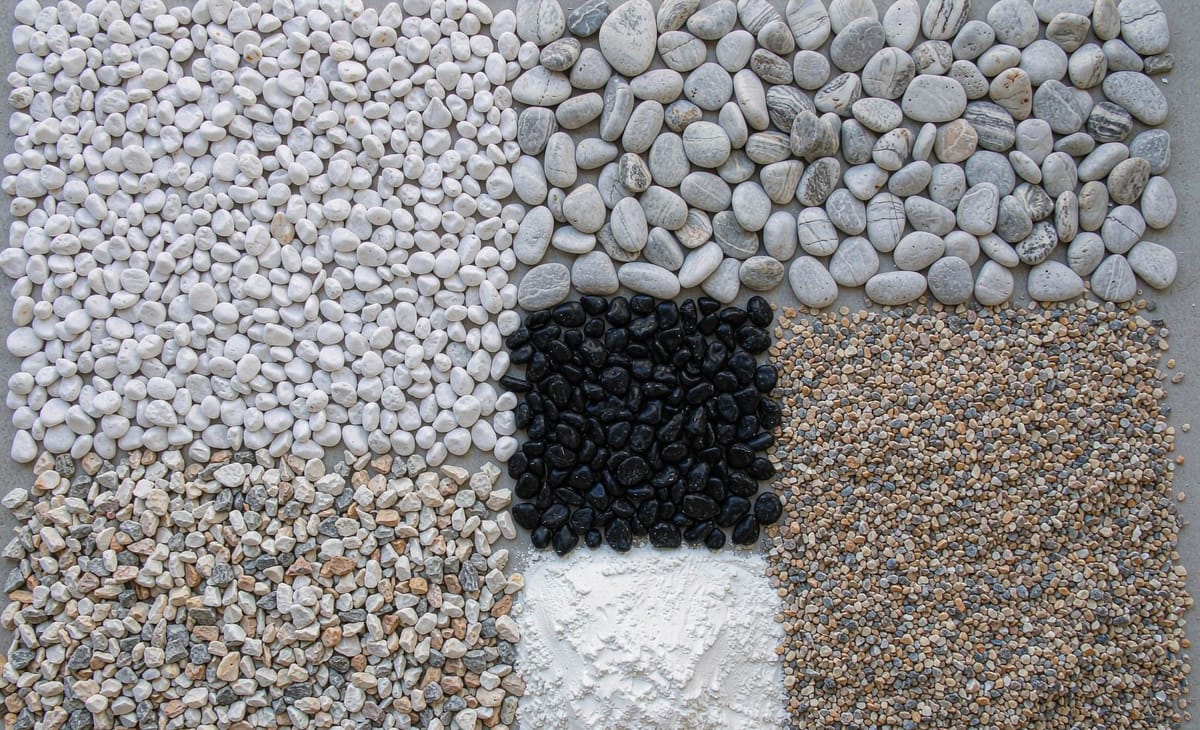
Garden Landscaping
Garden landscaping brings together every stone category: ground cover for beds and borders, gravel for paths, …
SWME TRADE · Blog
The same container of pebbles can be priced FOB or CIF and land at your warehouse at two different numbers. Here is what each term transfers, where destination charges hide, and how container loading limits decide your real cost per tonne.
Published 2026-09-24 · Educational article from the SWME TRADE team
FOB and CIF are not competitors in a price war — they are two different scopes of work. Under FOB (Incoterms 2020) the supplier delivers the goods on board the vessel at the named Chinese port, and from that moment freight, insurance and destination cost are yours. Under CIF the supplier also pays ocean freight and a minimum marine insurance policy to your named destination port, so the quoted number is larger and looks more complete.
The trap is comparing the two headline numbers as if they described the same thing. They do not. A CIF quote that excludes destination terminal handling, documentation and unloading is not a delivered price, and an FOB quote that ignores inland drayage at destination is not your landed cost either. Before comparing, force both quotes into the same scope.
FOB puts you in control of the freight leg, and control is where the money is. You book with your own forwarder, you see the actual ocean rate instead of a bundled figure, you choose the carrier and routing, and you can consolidate several suppliers' cargo into one booking. On stone, where the freight component is large relative to the goods value, that visibility typically matters more than a few percent on the product price.
FOB also splits the documentation cleanly: the supplier handles export clearance and origin charges, you handle the bill of lading, arrival notice and destination clearance. For importers who already have a customs broker and a forwarder relationship, this is the lower-cost and lower-surprise route. The trade-off is administrative work, not money.
A CIF price can legitimately save you effort — but only if you know what is inside it. Ocean freight is often marked up inside the product price, and the insurance attached to a CIF sale is normally the minimum cover required by the Incoterm, which is a narrow policy rather than an all-risks one. If your cargo is worth more than that narrow policy covers, the gap is yours to fund.
More importantly, CIF stops at the destination port, not your warehouse. Destination terminal handling charges, port fees, documentation and telex release fees, customs broker fees, unloading labour and inland drayage to your yard are almost always outside the CIF price. Buyers who budget only the CIF number are usually 20–40% short of their real cost once the container is sitting in their own yard.
Landscaping stone is dense, so a container is normally limited by weight long before it is limited by space. A 20 GP box has enough cubic capacity to swallow far more stone than its payload allows, which means your freight cost per tonne is determined by how much tonnage is legally and physically loaded — not by how much volume the box holds. Every tonne you leave behind is freight you pay for and do not sell.
Typical working figures for bagged decorative pebbles in a 20 GP are roughly 24–26 tonnes, depending on the size grading, bag dimensions and whether the load is palletised. A 40 HQ can carry more volume but its payload limit is still in the mid-to-high twenties of tonnes in most road-legally-loaded scenarios, so the extra space buys you softness, not proportionally more stone. Ask for a written loading plan in tonnes and bag counts before you compare rates.
Floor-loaded 20 kg woven bags usually give the highest tonne count because every cubic centimetre is used for product. One-tonne jumbo bags load efficiently but leave small voids between bags and need a forklift or sling at discharge. Palletising is the most expensive in payload terms: it protects the goods and speeds up handling, but pallets add weight, create air gaps, and commonly cost you around 10–15% of the container's stone payload.
Whichever format you choose, the loading must also protect the product. Lay mats or kraft paper against the container walls, strap or brace the load so bags cannot shift in a seaway, and confirm the material was drained before bagging — moisture is weight you pay freight on and then lose. Photograph the loading sequence wall by wall; those images are the evidence you will want if the load arrives shifted.
CIF makes sense when the effort of running the freight leg costs more than the freight saving. For a first trial container, a small importer without a forwarder, or a buyer whose supplier already ships weekly to their port and can add a container at a genuine volume rate, a CIF quote with a transparent breakdown is perfectly reasonable. Ask the supplier to itemise what the price includes so nothing is assumed.
Two Incoterms deserve caution. DAP or DDP makes the supplier responsible through import clearance and duty, which many suppliers accept without pricing the customs risk properly. EXW leaves you handling export paperwork in China, rarely worth the trouble. For most stone importers, FOB is the default and CIF the considered exception.
Whatever you choose, the purchase confirmation should name the term, the port or place, and the split of every charge without a comma in between. Include the loading plan in tonnes and bag counts, the packing format, the origin charges the supplier covers, the vessel and estimated sailing, the insurance clause, the full document set, and who carries the cost of demurrage or detention if the box is not cleared in time.
Then review each arrival file against the quote. If destination charges consistently exceed your model, either the Incoterm is wrong for your business or your broker is quoting short. That feedback loop turns shipping terms from a guess into a managed cost line.
For most importers who already have a forwarder and a customs broker, FOB is better: you control the freight leg, see the actual ocean rate, can consolidate suppliers, and avoid a markup hidden inside the product price. CIF is reasonable for a first trial container, small volumes, or when the supplier genuinely ships to your port at a volume rate and itemises what the price includes.
A 20 GP container typically loads roughly 24–26 tonnes of bagged decorative pebbles, depending on size grading, bag dimensions and whether the load is palletised. Stone is weight-limited rather than volume-limited, so the payload ceiling — not the container's cubic capacity — decides your freight cost per tonne.
Usually not. CIF covers ocean freight and minimum insurance to the named destination port only. Destination terminal handling, port fees, documentation and telex release fees, customs broker charges, unloading labour and inland drayage to your warehouse are normally billed separately to you on top of the CIF price.
Yes. Pallets add their own weight and create air gaps, so a palletised load commonly carries around 10–15% less stone than the same container floor-loaded with 20 kg bags. Palletising buys faster handling and better protection in transit, at the cost of a higher freight cost per tonne.
Garden landscaping brings together every stone category: ground cover for beds and borders, gravel for paths, …
Commercial landscaping is the volume end of the stone trade: office parks, public spaces, housing developments…
Send your product, specification and destination — our sales team will prepare a quotation.