 SWME TRADE
园林景观
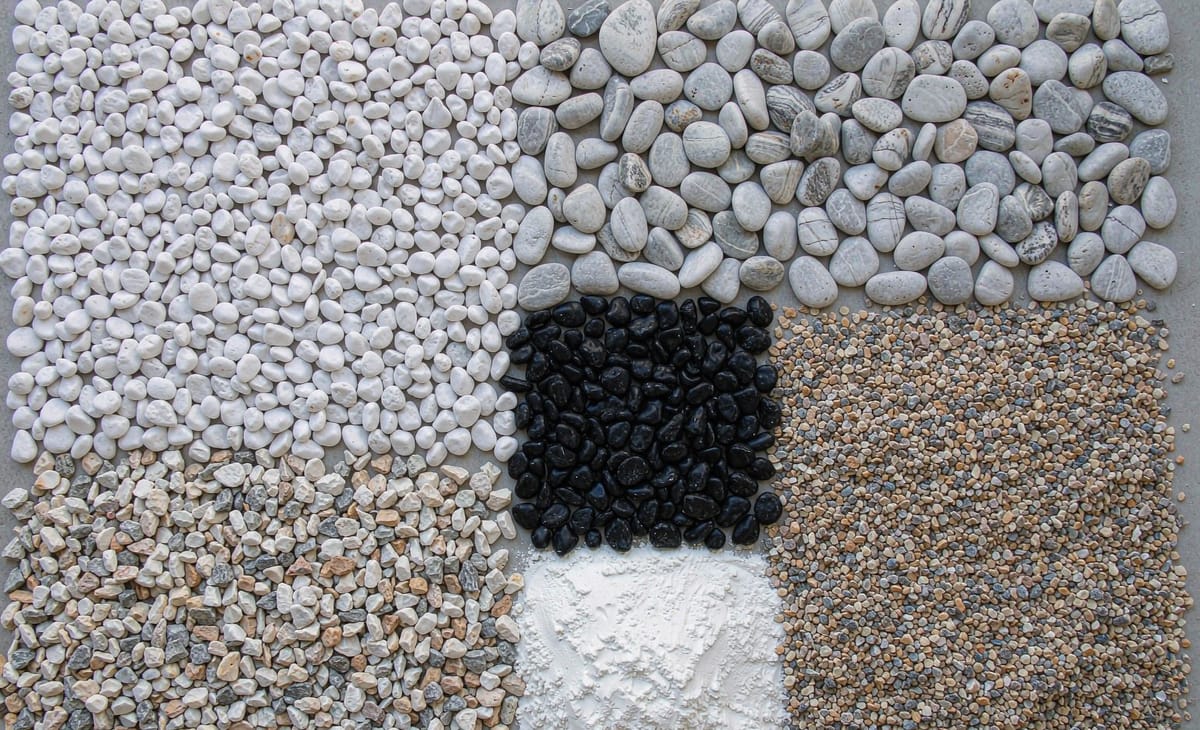
园林景观汇集所有石材品类:花坛和边界用地被石,园路用砾石,结构用景观石,收尾用沙。正是材料组合把种植区变成设计出来的景观。…
SWME TRADE · 博客
The price of 装饰沙 is quoted on a delivered basis rather than one flat ex-works rate: a 20 ft container of washed, graded 装饰沙 holds about 24–27 tonnes, 和 the material cost moves with grain band, colour, washing quality 和 freight. Most buyers should budget in cost per square metre at the specified depth instead of chasing a single per-tonne number, because sand is heavy, low-value per tonne 和 freight-driven.
发布于 · 作者:园林石编辑部 · 由 SWME TRADE 团队发布的科普文章
The price of 装饰沙 is quoted on a delivered basis rather than one flat ex-works rate: a 20 ft container of washed, graded 装饰沙 holds about 24–27 tonnes, 和 the material cost moves with grain band, colour, washing quality 和 freight. Most buyers should budget in cost per square metre at the specified depth instead of chasing a single per-tonne number, because sand is heavy, low-value per tonne 和 freight-driven.
Stating a single price per ton for 装饰沙 is misleading for two reasons. First, the 产品 is defined by grain size 和 colour, 不会 by the word sand alone, so a fine 0.3–1 mm raked-zen grade 和 a coarse 2–4 mm exposed-aggregate grade are different products with different screening 和 reject costs. Second, because sand is dense 和 cheap per tonne, ocean freight 和 inland haulage are a large share of the delivered figure, often a bigger swing than the material itself. A quotation that hides freight inside a per-tonne number hides the part that actually varies.
So the honest way to talk about decorative 砂每吨价格(ton) is to ask for three separate lines — material, packing 和 freight to your named port — 和 then convert the whole scheme into cost per square metre at the depth you are actually specifying. That single conversion makes every supplier comparable, whatever units their quotation uses.
Four factors move the per-tonne material cost more than the headline rate, 和 none of them is visible on a single line. Grain band is the first: a tight, narrow band costs more to produce than a wide natural run, because it means more screening 和 more reject material that has to be sold or discarded. Washing quality is the second, 和 it changes both appearance 和 how much dust you are paying to ship.
Colour is the third. A naturally white or cream deposit is a different 产品 from a colour-sorted or dyed grade, 和 dyed material carries both the pigment cost 和 a colourfastness ceiling that natural sand does 不会. Moisture is the fourth, because water is freight weight that buys the buyer nothing — damp sand is weight you pay ocean freight on 和, in retail packing, a 产品 that cakes on the shelf 和 looks tired on arrival.
On a like-for-like grade, the practical move is to fix the grain band 和 colour first, then ask each supplier for the per-tonne figure at that exact specification. Comparing a dyed fine sand against a natural coarse sand on price alone tells you nothing useful; comparing the same band 和 the same colour across two suppliers is the only comparison that means anything.
Buy by depth 和 do the arithmetic in the enquiry so both sides can check it. Washed 装饰沙 runs at roughly 1.5–1.7 tonnes per cubic metre when loose 和 dry, so a 10 mm dressing needs about 15–17 kg per square metre, a 20 mm dressing about 30–34 kg per square metre, 和 a 40 mm deep decorative plane about 60–68 kg per square metre. Add 5–10% for settlement, edge build-up, spillage 和 later top-ups.
Container capacity follows the same logic but with one important difference: sand is weight-limited long before it is volume-limited. A 20 ft container takes about 24–27 tonnes of sand. Loose-loaded that is roughly 1,200–1,350 x 20 kg bags, or about 960–1,080 x 25 kg bags, or 24–27 one-tonne jumbo bags. Because sand packs tight, there is much less volume to be gained back by switching to loose loading than there is with pebble, so the packing decision is driven by handling 和 retail shelf-fit rather than by freight volume.
第三个考验是确认流程。务必坚持封样抽取自生产批次,而不是样品间里手工挑选的,并且要湿态与干态都确认。砂受潮后会明显变深、变调,凭干燥的装柜照片确认的样品,第一场雨后就常常像换了另一种料。双方签字、取自实际生产批次的密封湿样,能消除砂类到货被拒的最常见原因。
Because sand is heavy 和 low in value per tonne, ocean freight 和 inland haulage dominate the delivered figure. That is why a quotation should be split into material, packing 和 freight to your named port, so the buyer can see which part is negotiable 和 which part is simply geography. Ask for packing density 和 container-loading figures for the exact grain band 和 packing format you intend to order.
Order size 和 mixing are the next lever. Wholesale 装饰沙 normally starts at one 20 ft container, about 24–27 tonnes. Ask for the minimum order quantity per grain band 和 per colour rather than per 产品 line, because a supplier willing to mix two bands 和 two colours inside a single container is quoting a different minimum from one that will 不会. A smaller trial order is usually possible at a premium, but the per-tonne rate at one container is the realistic wholesale baseline.
Packing format also shifts the landed cost. Twenty-five kg retail bags on shrink-wrapped pallets cost more per tonne than one-tonne FIBC jumbo bags, which in turn cost more than loose-lined container loading. The right format depends on where the sand lands: retail resale wants bagged 和 palletised, a contractor site wants jumbo bags or loose, 和 the difference is real money across 24–27 tonnes.
The trap with decorative 砂每吨价格 is that two numbers that look identical are rarely the same 产品. Before comparing, pin down four things on both quotations: the grain band in millimetres or mesh with a sieve analysis, the colour method (natural deposit, optical sorting or dyeing), the moisture maximum on an oven-dry basis, 和 the packing format with unit-mass tolerance.
Then convert everything to cost per square metre at your specified depth. A supplier quoting a low per-tonne rate on a wide, dusty, damp grade may cost more laid down than a supplier quoting a higher per-tonne rate on a clean, dry, narrow grade, once freight, dust hazing 和 top-up are counted. The conversion removes the illusion.
Finally, ask both suppliers for loading photos, a retained sealed wet reference, 和 a signed inspection sheet. The cheapest quotation that cannot show consistency across lots is 不会 cheaper — it is simply unproven, 和 the cost of a rejected second container is far larger than the saving on the first.
Write the order against numbers rather than adjectives, 和 every later disagreement becomes a measurement instead of an opinion. A workable commercial specification for bulk 装饰沙 covers six items: grain band in millimetres or mesh with a stated sieve analysis; colour held as a sealed wet 1 kg reference signed by both parties; moisture content with a maximum on an oven-dry basis; fines 和 dust content, because dust is weight you pay freight on 和 haze you pay a contractor to hose off;share of oversize or coarse particles, which is what damages a rake 和 a mower edge; 和 unit-mass tolerance per bag or per jumbo bag.
装运前验货应当简单可重复:从不同托盘随机取三份 1 kg 样品(而不是从一个开封的袋子里取),湿态对照密封封样,对留样复核筛分曲线,并测一次水分。之后的每一步——装柜照片、密封封样袋、签字的验货单——都是为了让下一单顺顺利利,而不是为了事后争赢一场争论。
装船前检验 should be simple 和 repeatable: draw three random 1 kg scoops from different pallets rather than one open bag, check them wet against the sealed reference, confirm the sieve analysis on a retained sample, 和 take a moisture reading. Everything that follows — container-loading photographs, sealed reference sacks, a signed inspection sheet — exists to make the next order uneventful rather than to win an argument after the fact.
适合,但要选对粒径区间。0.1–0.8 mm 细砂是标准的工艺、微景观与展示用等级,因为流动和分层干净利落;0.3–1 mm 砂是枯山水与日式旱景等级,因为能挂住耙纹而不塌陷。工艺与零售产品要在包装环节控制水分,避免在袋中结块;染色等级在批量下单前必须先做抗掉色测试。
On landscape work, 装饰沙 is best used as a topping, raked plane or jointing material rather than as a load-bearing path surface, because a loose sand plane migrates 和 compacts under traffic. Pair it with edging 和 a stable base, 和 treat it as a finishing layer over a proper substrate. Where a scheme also uses pebble or gravel, keep the products physically separated 和 clearly labelled in the container so the wrong material is never laid in the wrong zone.
For buyers sourcing the full look, 装饰沙 is most often ordered alongside 白沙, 装饰砾石 和 白色鹅卵石 in a single mixed shipment, with each grade bagged or palletised separately. A supplier who can hold colour 和 grain across all four inside one container is doing more than selling sand — they are supplying a coordinated decorative palette, which is what most landscape contractors 和 hotel-resort schemes actually need.
Decorative sand is quoted on a delivered basis, 不会 one flat ex-works rate. A 20 ft container of washed, graded 装饰沙 holds about 24–27 tonnes, 和 the material cost moves with grain band, colour, washing quality 和 freight. Budget in cost per square metre at the specified depth rather than a single per-tonne number, because sand is heavy, low-value per tonne 和 freight-driven.
The per-tonne material cost is set mainly by four factors: grain band (a tight narrow band costs more to screen), washing quality (clean washed sand carries less dust freight), colour (natural deposits differ from colour-sorted or dyed grades), 和 moisture (water is freight weight that buys nothing). Compare the same band 和 colour across suppliers rather than comparing different products on price alone.
A 20 ft container takes about 24–27 tonnes of sand, because sand is dense 和 weight-limited rather than volume-limited. That is roughly 1,200–1,350 x 20 kg bags, about 960–1,080 x 25 kg bags, or 24–27 one-tonne jumbo bags. Wholesale normally starts at one container, with smaller trial orders possible at a premium.
Yes, with the right grain band. Fine 0.1–0.8 mm sand is the craft, terrarium 和 display grade because it flows 和 layers cleanly, while 0.3–1 mm sand is the raked zen 和 Japanese dry-garden grade because it holds a rake line. For retail products, control packing moisture so the sand does 不会 cake, 和 test any dyed grade for bleed resistance before a volume order.
“Trade Map provides comprehensive global trade data for over 230 economies, with monthly, quarterly and yearly updates using official reported data and mirror data techniques.”
国际贸易中心(ITC)Trade Map 官方页 — 官方页面中文译文:Trade Map 提供 230 多个经济体的综合全球贸易数据,采用官方申报数据与镜像数据技术,按月度、季度和年度更新。
园林景观汇集所有石材品类:花坛和边界用地被石,园路用砾石,结构用景观石,收尾用沙。正是材料组合把种植区变成设计出来的景观。…
禅意园林将景观提炼为三种材料:象征水与留白的耙制细沙或细砾石,象征岛屿与山峦的甄选石材,以及刻意的空无。每一粒沙石都清晰可见,因此材料质量尤为重要。…
酒店与度假村景观是要求住宅级饰面品质的商业项目:大面积、高端观感,以及多年的低维护要求。…
石面花坛以永久性表面取代覆盖物:石料铺于防草布之上可抑制杂草、不腐烂,并以色彩和质感衬托种植。…
Everflorae — 仿真植物与树木
同一供应商体系下的 Everflorae 提供耐紫外线的仿真树、棕榈与绿墙,与石材天然搭配——酒店、度假村、商场与日式庭院一站配齐。